 Cleanzine: your weekly cleaning and hygiene industry newsletter 13th August 2026 Issue no. 1223
Your industry news - first
The original and best - for over 20 years!
We strongly recommend viewing Cleanzine full size in your web browser. Click our masthead above to visit our website version.


Adding value with autonomous cleaning
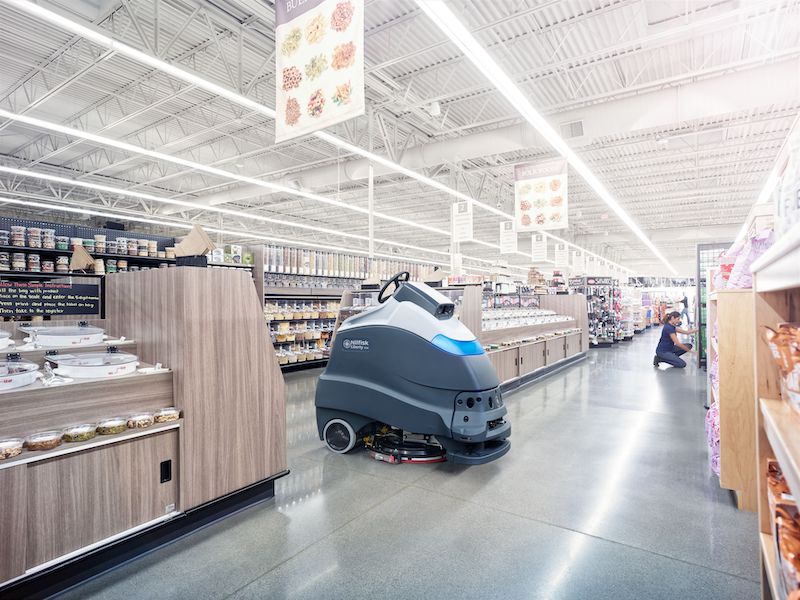 Cleanliness is integral to protecting workers, minimising physical risks such as sticky or slippery floors, and protecting them from the spread of infection from surfaces or equipment with which other colleagues have come into contact. Cleaning can no longer be seen as an end-of-shift, purely remedial process; it is in fact a vital task to ensure a safe environment for everyone.
But there are many challenges to ensuring high levels of cleanliness and hygiene. Not least the well-documented labour shortages in the sector.
A constant challenge for companies is to ensure that cleaning is undertaken consistently and effectively across every shift – difficult in an era of labour and time shortages. Operative safety must also be considered, especially in facilities operating continuously where cleaning must take place at the same time as core working activities. Finally, those tasked with cleaning must make the best use of water and other cleaning media. And, even when staff can be found, labour still typically accounts for up to 85% of all cleaning costs.
This multitude of challenges has driven companies to seek alternative solutions, and chief among these is autonomous cleaning. As the name suggested, this involves the use of autonomous, robotic equipment to undertake cleaning tasks.
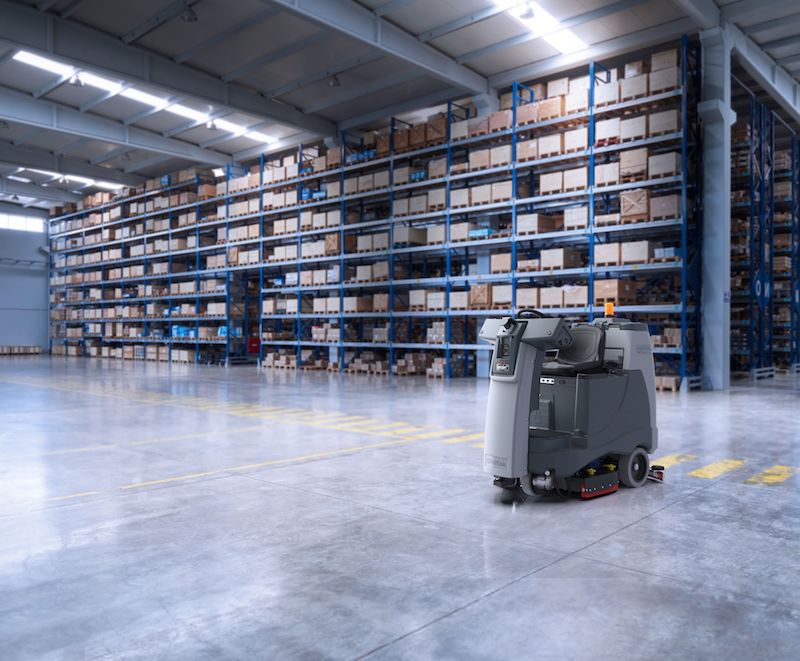 The advantages of this approach are clear. Worries about staff availability are instantly removed. An autonomous, programmable machine will always be available for action and will perform each task consistently, every time, using the optimum quantity of water and cleaning materials. One example is in the use of diamond cleaning pads. Manually working with the pads is a challenge and pads are often not used in the right way, so they wear out faster than they should, but an automated machine will apply the correct pressure for the right duration to deliver the best possible clean.
There is understandable antipathy among some colleagues around the introduction of autonomous cleaning equipment. Some may see it as a threat to their jobs, but in fact, it frees operatives up from the more mundane tasks and allows them to focus on those added value jobs requiring human intervention. One individual can operate several machines simultaneously, so staff are no longer ‘just’ cleaning operatives; they are now robotics operators.
Autonomous cleaning solutions require a new way of thinking about return on investment, compared with traditional machines. A robotic cleaning machine will last several years – far longer than manual equipment which may end up in landfill after a couple of years. While the initial investment may be viewed as high, finance solutions such as leasing and contract hire, as well as outright purchase, mean autonomous cleaning can become a reality in any business today.
Furthermore, autonomous cleaning machines investment is planned and remains static throughout their lifetime eliminating finance fluctuations, and can be used constantly. Manual machines often collect damage when in use through operator error and accidental contact with walls, racking and so on, but autonomous machines are programmed to avoid collisions. Meanwhile, regular, planned servicing, facilitating proactive maintenance and rapid repairs, prolongs both uptime and the service life of any autonomous cleaning solution, protecting the investment and keeping costs under control.
A further advantage of autonomous machines concerns their ability to gather data and so inform operational decision-making and achieve continuous improvement. For any autonomous machine, it is often said that ‘its worst day is its first day’. However, as a sensor-enabled machine, the constant data collection ensures it learns quickly. The latest bespoke software and user-friendly apps, accessible to both managers and individual users, facilitate real-time tracking of machine performance and productivity through detailed dashboards, and the planning of cleaning regimes.
But as with any data-gathering function, a responsible approach to data management and storage is critical to ensure compliance with local, national, and international regulations. The ramifications of poor practice in this area can be significant and highly damaging. We only need to look at the huge impact of GDPR on businesses - and autonomous cleaning is no exception to this. It’s too important an issue to not have a strategy in place for the data gathered by autonomous cleaning. Data protection and agreements should always therefore form a key part of discussions when agreeing contracts for autonomous machines, with clear assurances about who will hold the data gathered, to ensure peace of mind for all.
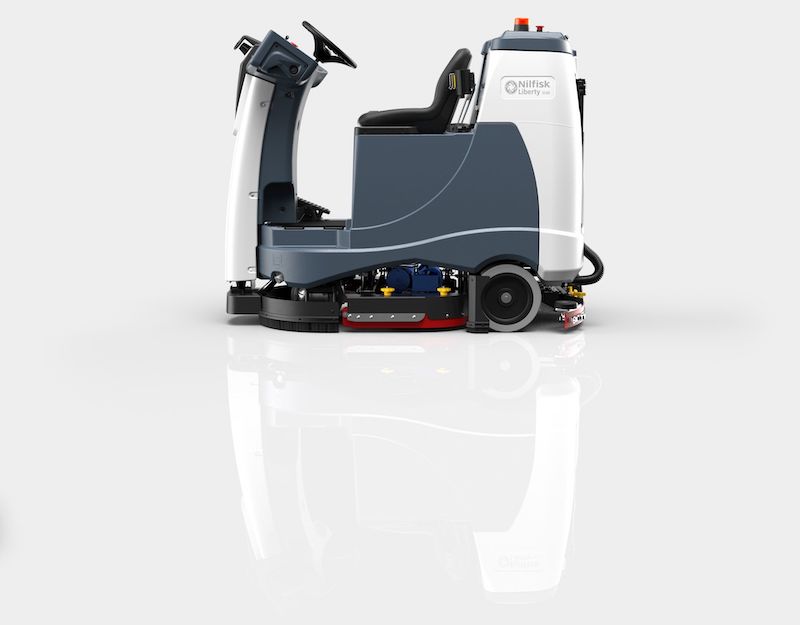
Once this is in place, the financial and operational benefits of autonomous cleaning can be fully enjoyed. Maximised productivity and performance, enhanced operator safety and total reliability, will be accompanied by reduced costs, meaning a rapid return on investment.
Learn more Nilfisk Autonomous Floorcare Liberty SC50 & SC60
20th July 2023