 Cleanzine: your weekly cleaning and hygiene industry newsletter 13th August 2026 Issue no. 1223
Your industry news - first
The original and best - for over 20 years!
We strongly recommend viewing Cleanzine full size in your web browser. Click our masthead above to visit our website version.


Welcome to the Cleanzine

I’m sure many of the world’s cleaners will often be frustrated at not feeling appreciated by those using the facilities or areas they’re cleaning, or are dismayed that something they’ve worked so hard to make perfect, is unlikely to remain so for long… that there will likely soon be a complaint about cleaning standards when an area that may have been newly cleaned has been accidentally or deliberately trashed by a careless or selfish member of the public, meaning that they or a colleague will be called back to rectify a problem not of their making and not on their schedule. Some jobs are clearly more rewarding than others, in terms of where the cleaner is employed and the tasks needing to be undertaken, but either way there’s still insufficient public recognition for the efforts being made – often under pressure. A report issued yesterday made me realise that even I don’t know the half of it!
I’ve mentioned the WASH (water, sanitation & hygiene) initiative a few times over the years – most recently re. the WHO/UNICEF report which highlighted how billions of people worldwide are treated in healthcare facilities that lack basic facilities, such as water and electricity. I don’t recall ever having looked at it from the cleaners’ point of view though. It took 33-year-old cleaner Ana Manuel Joaquim, of Sofala Province, Mozambique, to enlighten me on how much tougher cleaning can be, than I’d ever imagined:
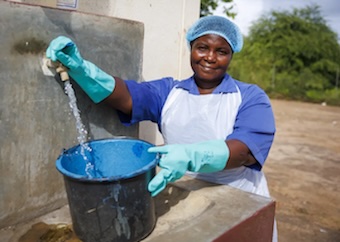
“I started working at the Jasse Maguena healthcentre in 2015," she recalls. “We were struggling due to the lack of water, and we had to walk 2Km to fetch it from the nearest river.” That’s 1.243 miles, to fetch water, to be able to clean… River water, to clean a healthcare facility, after you’ve carried it to site, in a bucket. "We also had no facilities to dispose of hospital and infectious waste, which posed a risk to our health.”
Dare I say, ‘sometimes we don’t realise how lucky we are’?
I’m pleased to report that thanks to WASH, Ana isn’t struggling as much as she was. A new water source has been installed and other improvements made. “My work has become easier and safer,” she reveals. “I can clean properly, wash sheets, and I don't have to walk 2Km to get water. We have a safe place to dispose of our hospital waste.”
And I’m sure you’ll join me in commending the efforts made by those behind WASH, for helping ease the load of cleaners who have more than the general public to contend with when it comes to getting the job done…

 You can also follow us on X (Twitter) @cleanzine
Yours,

6th November 2025