 Cleanzine: your weekly cleaning and hygiene industry newsletter 15th October 2026 Issue no. 1230
Your industry news - first
The original and best - for over 20 years!
We strongly recommend viewing Cleanzine full size in your web browser. Click our masthead above to visit our website version.


New research reveals hidden pressures behind lone working
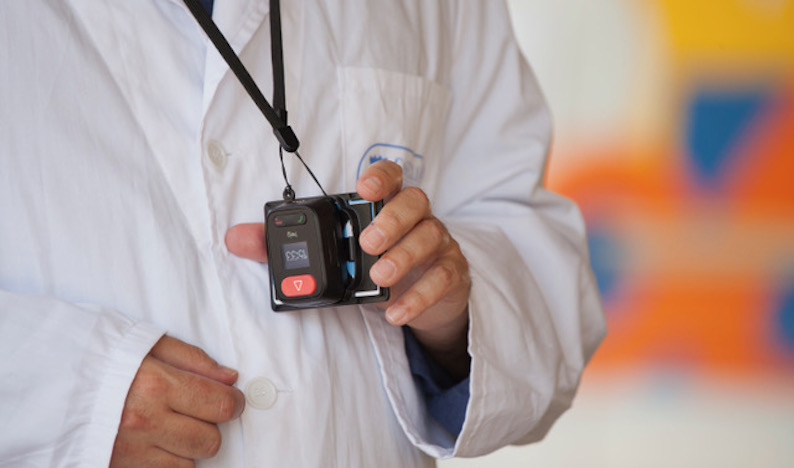 Despite 95% of UK lone workers saying they generally feel safe, new research from Securitas UK suggests that beneath the surface, many are experiencing hidden pressures and dangers that leave them feeling vulnerable, unsupported and lacking confidence while working alone.
That gap between broad sentiment and lived experience becomes clearer when you look at specific risks rather than general feeling. In a survey of 500 UK lone workers, Securitas UK found that more than two in five (43%) respondents said that they had felt threatened while working alone and over a third (36%) had experienced a workplace incident. Despite these figures, almost half (46%) said they receive no lone worker safety training from their employer and 58% believe their employer could be doing more to protect them.
The findings suggest that while many lone workers may not consider themselves to be unsafe, significant numbers are navigating a combination of physical risks, inconsistent support and gaps in training. Alongside concerns about personal safety, more than a quarter (28%) said lone working impacts their mental wellbeing, while 38% said they often or sometimes feel isolated when working alone.
"These findings are a clear example that headline figures don't always tell the whole story,” warns Gary Agnew, head of solutions at Securitas UK. “When you look beneath the surface, it's clear that many people are facing pressures that can undermine their confidence, whether that's experiencing threats, lacking training, feeling isolated or simply not feeling fully supported by their employer."
The research also identified opportunities for employers to strengthen lone worker protection. One in four respondents lacks confidence that the safety tools provided would protect them in an emergency, one in five are not comfortable using the tools they have been given and a third never check in during their shifts. Together, these findings highlight the importance of taking a more proactive, connected approach to lone worker safety. While training and communication form an important part of the wider picture, technology and monitoring can provide greater visibility, support faster incident response and help organisations better manage lone worker risk.
"Lone worker safety isn't just about responding when something goes wrong," adds Gary. "It's about creating the confidence that people have the right support and protection around them when they need it. Employers should see these findings as an opportunity to look beyond whether their people simply feel safe and consider whether the arrangements they have in place reflect the risks their lone workers actually face.
"Training and communication are important parts of that picture, but so too is having technology that employees feel confident using and that can provide greater visibility and support a faster response when an incident occurs. 'Safe enough' can no longer be considered good enough for lone workers. They need to be able to feel safe with certainty."
15th October 2026